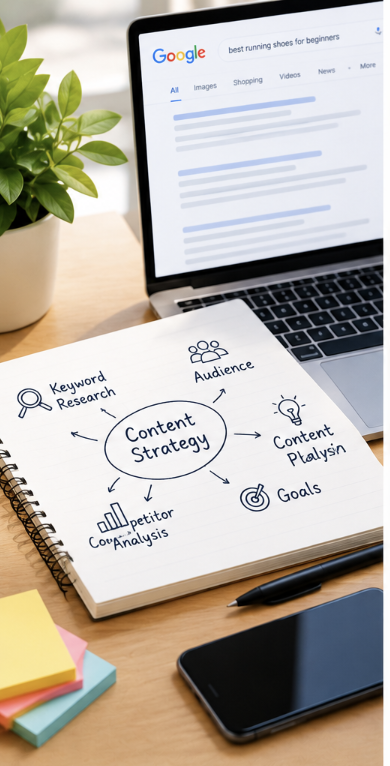
SEO FOUNDATIONS · 5 MIN READ
A useful SEO starting point: understand the page before optimizing it
Before changing titles or adding keywords, get clear on what a page is for, who it serves, and what a visitor needs to do next.
Read the article →SEARCHFORWARD NOTES
Practical ideas for making your website easier to find, understand, and use. No ranking promises—just useful steps grounded in good content and strong SEO fundamentals.
SEO FOUNDATIONS · 5 MIN READ
Before changing titles or adding keywords, get clear on what a page is for, who it serves, and what a visitor needs to do next.
Read the article →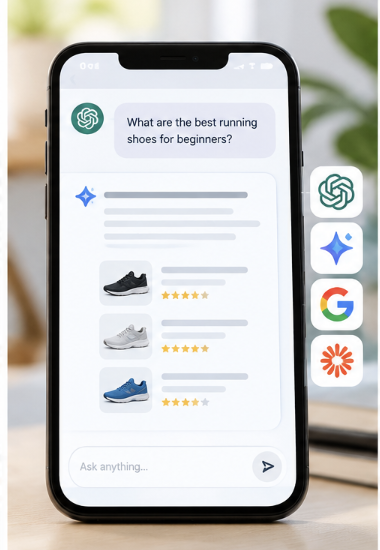
AEO · 4 MIN READ
Clear structure helps readers scan your page and helps search systems interpret the information you provide.
Read the article →
CONTENT STRATEGY · 4 MIN READ
Address the questions a prospective customer has, explain your process, and make the next step easy to see.
Read the article →01 — SEO FOUNDATIONS
Search optimization works best when each page has a clear job. Start by understanding its audience, purpose, and place in the customer journey.
Ask what someone hopes to learn or accomplish when they land here. A service page may need to explain who the service is for, what it includes, and how to get started. An informational article may need to answer a focused question and point to reliable next steps.
Review the page title, main heading, URL, internal links, and the content itself. Make sure they describe the same topic in plain language. Check that the page is accessible from the site’s navigation or other relevant pages, and that it works well on a phone. Search Console can help you see which queries and pages already receive impressions, though the data needs context and does not guarantee future results.
Make the purpose clear near the top, organize supporting details with descriptive headings, and remove repeated or outdated information. Use search terms naturally when they accurately describe the subject—never add them where they make the page harder to read. Track meaningful changes over time and compare like with like, since search demand and rankings can move for many reasons.
Try this: Write one sentence describing the page’s audience and purpose. If the page does not clearly support that purpose, decide what to revise before focusing on keyword placement.
02 — AEO & CONTENT STRUCTURE
Answer-focused content starts with the same thing good content always starts with: a real question and a clear, useful response.
Gather questions from customer conversations, sales and support teams, site search, and relevant query data. Group related questions so each page can cover a coherent topic instead of becoming a disconnected list of keywords.
For a question-led section, answer the question near the beginning in specific, plain language. Follow with the details that make the answer trustworthy and complete: definitions, steps, limitations, examples, or who the guidance applies to. Avoid vague claims and make sure a short answer is not misleading without its surrounding context.
Use descriptive headings, concise paragraphs, and lists when they genuinely clarify a sequence or set of items. Keep important information in accessible text. Structured data can describe supported page content, but it does not guarantee a special search display or inclusion in an AI-generated answer.
Try this: Pick one question your customers ask repeatedly. Add a concise answer to the most relevant page, then check that the surrounding content explains the details a reader would need to act on it.
03 — CONTENT STRATEGY
A strong service page helps a potential customer decide whether the service fits their needs and what to do next.
Say what you do, who it is for, and what is included. Replace broad promises with specific descriptions of your process, deliverables, or areas of expertise. If the service has important limits or prerequisites, state them clearly.
People may want to know how the process works, what information you need from them, how long typical stages take, or how to request a quote. Include answers you can stand behind. Avoid invented testimonials, unsupported performance statistics, and guarantees about rankings or business outcomes.
Use one clear action that matches the visitor’s stage—contact you, book a consultation, or review a related service. Make the link or button easy to find on mobile, and ensure its label tells people what will happen when they select it. Helpful internal links can guide visitors to examples, FAQs, and related information.
Try this: Ask someone unfamiliar with your business to scan the page. Can they quickly explain what you offer, whether it is meant for them, and how to reach you?
HAVE A TOPIC IN MIND?